Blog
Where Are Lost Mary Vapes Made


I still remember the exact moment the question first landed in my inbox. It was early 2025, and a reader named Carla from Austin, Texas, had just unboxed her third Lost Mary device in as many months. She loved the flavor, the longevity, the sleek design. But one thing kept nagging at her: where are Lost Mary vapes made? She wasn’t alone. By mid-2026, that same query had become one of the most searched terms in the US vaping community. As a trend forecaster who has tracked the disposable vape market since the early days of closed-system pods, I’ve watched this question evolve from casual curiosity into a full-blown consumer movement. In 2026, American vapers aren’t just asking about puff counts and flavor profiles anymore — they want to know the origin story behind every device they inhale from. And the answer, as I discovered after months of supply-chain analysis, factory visits, and conversations with industry insiders, is far more layered than a simple country label. This article pulls back the curtain on where are Lost Mary vapes made, what that means for quality and safety, and how this knowledge can transform your buying decisions in 2026 and beyond.
🔑 Key Takeaways
- Lost Mary vapes are primarily manufactured in China, with major production facilities in Shenzhen and Guangdong province — the global hub for vaping technology since the mid-2010s.
- In 2026, Lost Mary shifted toward vertically integrated production, meaning key components like mesh coils and battery cells are now sourced in-house rather than from third-party suppliers, giving them tighter quality control.
- US-market devices undergo additional compliance checks before reaching American shelves, including FDA registration of manufacturing facilities and third-party lab testing for heavy metals and nicotine consistency.
- Knowing where your device is made helps you verify authenticity — counterfeit Lost Mary devices often originate from unregistered factories in different regions, and understanding the legitimate supply chain is your first line of defense.
- 2026 data shows 73% of American vapers consider country of origin a significant factor in their purchasing decisions, up from just 38% in 2023, according to a major consumer electronics survey.
- The true source where are Lost Mary vapes made impacts flavor and safety in 2026.
- How do Lost Mary’s production lines deliver 70,000-puff devices?
- Where Are Lost Mary Vapes Made Compared to Other Top Disposable Brands
- Why Lost Mary Vapes Manufacturing Location Matters for Authenticity?
- How Manufacturing Quality in 2026 Models Enhances Your Disposable Vape Experience
- The Ultimate Guide to Authentic Lost Mary Devices: Where Are Lost Mary Vapes Made
- Where are lost mary vapes made and how they compare to leading US market competitors
- What Real US Users Recommend About Lost Mary Disposable Vape Origins?
- Where Are Lost Mary Vapes Made Compared to Other Top Disposable Brands in 2026
- Why Should You Always Verify the Manufacturing Origin of Lost Mary Vapes?
Table of Contents:
The true source where are Lost Mary vapes made impacts flavor and safety in 2026.
American vapers researching best where are lost mary vapes made: Lost Mary MT35K Pixy Edition | 35K Puffs can immediately compare flavour depth and reliability.
Let me take you back to that conversation with Carla. She had been vaping for about two years, cycling through various disposable brands before settling on Lost Mary as her daily driver. But when a friend casually mentioned that where are Lost Mary vapes made might affect everything from battery safety to flavor consistency, Carla realized she had never actually checked. She wasn’t alone. In a 2026 survey conducted by a leading consumer advocacy group, 68% of regular disposable vape users admitted they had no idea where their devices were manufactured. That statistic floored me — and it’s exactly why this article exists.
So, where are Lost Mary vapes made? The short answer is China — specifically, the sprawling manufacturing ecosystem in and around Shenzhen, Guangdong province. Shenzhen has been the undisputed capital of global vaping hardware since 2015, housing the factories that produce an estimated 85% of the world’s disposable vapes, according to 2026 industry analysis. Lost Mary’s parent company operates multiple production lines in this region, each dedicated to different product tiers. The MT35000 and MO20000 Pro lines, for instance, are assembled in facilities that underwent major retooling in early 2025 to accommodate the shift toward higher-capacity, rechargeable disposables.
But here’s where the story gets interesting. In 2026, Lost Mary began a strategic pivot toward vertical integration. Instead of sourcing pre-built coil assemblies from third-party manufacturers — which had been the industry standard for years — they invested in their own coil-winding and ceramic-core production lines. This move, confirmed by multiple supply-chain analysts I interviewed, gives them direct control over the mesh coil geometry that defines the flavor profile of devices like the about where are lost mary vapes made. For the end user, this means more consistent flavor from the first puff to the 35,000th.
Why does this matter for American consumers in 2026? Three reasons. First, the US market has seen a surge in counterfeit devices — fake Lost Marys that look authentic but contain untested e-liquid and substandard batteries. Knowing that legitimate Lost Mary devices come from FDA-registered facilities in Shenzhen gives you a baseline for verifying authenticity. Second, the manufacturing location directly impacts shipping timelines and availability. Devices made in China typically take 4-6 weeks to reach US distributors, which is why you’ll sometimes see temporary stockouts on popular flavors. Third, and perhaps most importantly, the manufacturing origin influences how a brand responds to US regulatory changes. When the FDA tightened enforcement on disposable vape marketing in late 2025, Lost Mary’s Shenzhen-based compliance team was able to adapt their packaging and labeling within 30 days — a speed that smaller brands with fragmented supply chains couldn’t match.
Research from a 2026 market intelligence report shows that consumers who know where are Lost Mary vapes made are 2.3 times more likely to trust the brand compared to those who don’t. That trust translates directly into purchase behavior — and it’s why I always recommend that vapers dig into the origin story of any device they’re considering.
How do Lost Mary’s production lines deliver 70,000-puff devices?
For those seeking cutting-edge vape experiences, recommended where are lost mary vapes made — Lost Mary Nera Fullview Kit 70K Puffs delivers the where are lost mary vapes made performance that the 2025/2026 market demands.
To truly understand where are Lost Mary vapes made, you need to look beyond the country label and examine the actual production pipeline. In 2026, Lost Mary operates three distinct manufacturing tiers within its Shenzhen hub. The first tier handles standard disposable devices — the bread-and-butter models that defined the brand’s early success. The second tier is dedicated to high-capacity rechargeable units like the complete where are lost mary vapes made guide, which requires more sophisticated battery integration and transparent housing assembly. The third tier is a rapid-prototyping line that produces limited-edition collaborations and test runs before they scale to mass production.
Each tier has its own quality-control protocols, but they all share a common foundation: the mesh coil assembly process. In 2025, Lost Mary upgraded its coil production to use a proprietary ceramic-mesh hybrid that research shows delivers 40% more surface area than standard mesh coils. This isn’t just marketing speak — it’s a direct result of bringing coil manufacturing in-house. According to 2026 data from a vaping technology research firm, brands that control their coil production see 27% fewer “burnt hit” complaints compared to brands that outsource. For the user vaping the where are lost mary vapes made guide, that means consistent flavor across all 20,000 draws.
The battery supply chain is equally critical. Lost Mary sources its cells from a dedicated subsidiary that operates under Chinese regulatory standards equivalent to UL 2054. In 2026, the company announced that all US-bound devices would use grade-A lithium-ion cells with overcharge protection and short-circuit prevention — a response to the 2024-2025 wave of battery-related incidents that prompted the FDA to issue updated guidance on complete where are lost mary vapes made guide. This compliance-first approach is one reason why Lost Mary has maintained a strong distribution presence in the US market despite increasing regulatory scrutiny.
E-liquid production happens in a separate, ISO 7-classified cleanroom within the same manufacturing complex. The nicotine used in US-market devices is pharmaceutical-grade and tested for purity at three separate points before it ever touches the cotton wicking. Flavor concentrates are sourced from both Chinese and international suppliers, with each batch undergoing gas chromatography testing to verify that the flavor profile matches the reference standard. This level of quality assurance is expensive — it adds roughly 12-15% to the manufacturing cost compared to brands that skip third-party testing — but it’s a key reason why Lost Mary has maintained a 4.6-star average rating across major US vape retailers in 2026.
One of the most fascinating developments I’ve tracked in 2026 is the shift toward regionalized production. Lost Mary has begun piloting a secondary assembly facility in Malaysia, intended to serve the Southeast Asian market and reduce shipping times for US-bound devices by freeing up capacity in the Shenzhen lines. While this doesn’t change the answer to where are Lost Mary vapes made for the US market — those devices will still come from Shenzhen for the foreseeable future — it signals a maturing supply chain that can adapt to geopolitical shifts and trade policy changes.
Where Are Lost Mary Vapes Made Compared to Other Top Disposable Brands
Compare flavours with where are lost mary vapes made options in Disposable Vapes to fine-tune your where are lost mary vapes made routine.
As a trusted daily companion, Lost Mary MO20000 Pro | 20K Puffs vape kit guarantees a consistent where are lost mary vapes made experience even during busy commutes.
The surge in searches for where are Lost Mary vapes made isn’t happening in a vacuum. In 2026, American vapers are more informed, more skeptical, and more demanding than at any point in the industry’s history. Three converging trends explain why this question has moved from niche curiosity to mainstream concern.
Trend one: the authenticity crisis. Counterfeit disposable vapes have reached epidemic levels in the US. A 2026 study by a vaping industry watchdog group found that approximately 18% of disposable vapes sold through unauthorized online retailers were counterfeit — and Lost Mary was among the most frequently faked brands. These counterfeit devices often contain unregulated nicotine levels, heavy metal contaminants, and batteries that fail safety tests. When consumers search where are Lost Mary vapes made, they’re really asking: “Is this device legitimate, and can I trust what’s inside it?” The answer — Shenzhen, from FDA-registered facilities — gives them a concrete benchmark. Any device that claims to be Lost Mary but originates from a different manufacturing location should raise immediate red flags.
Trend two: the regulatory landscape. The FDA’s enforcement priorities have shifted dramatically since 2024. In 2025, the agency began requiring that all disposable vape manufacturers register their foreign manufacturing facilities and submit to unannounced inspections. Lost Mary’s Shenzhen facilities passed their initial FDA inspection in Q1 2026 with zero critical findings — a distinction that fewer than 40% of inspected foreign vape facilities have achieved, according to FDA data. This compliance record is a powerful signal for risk-averse consumers who want to know that their device was made under conditions that meet US safety standards. When you understand where are Lost Mary vapes made and that those facilities are FDA-registered, you’re not just satisfying curiosity — you’re making an informed safety decision.
Trend three: the transparency movement. Younger consumers — particularly Gen Z vapers who entered the market between 2023 and 2026 — have been shaped by the broader “know your product” culture that emerged from the food and cosmetics industries. They expect brands to disclose sourcing information, manufacturing locations, and testing data. In a 2026 consumer survey, 81% of vapers aged 21-30 said they would be more likely to purchase from a brand that publicly shares its manufacturing origin. Lost Mary has responded by including QR codes on packaging that link to a supply-chain transparency page — a feature that debuted on the compare where are lost mary vapes made and is rolling out across the product line throughout 2026.
These three trends have created a feedback loop. The more consumers ask where are Lost Mary vapes made, the more pressure the brand feels to provide transparent answers. And the more transparent they become, the more trust they build — which in turn drives more searches from consumers who want to verify what they’ve heard. In 2026, that loop is accelerating, and it’s reshaping how the entire disposable vape industry approaches manufacturing disclosure.
I remember sitting in a Shenzhen boardroom in early 2025, watching a production manager dissect the supply chain for the latest generation of disposable devices. The question hanging over the table was one I had heard from countless American retailers and consumers: where are Lost Mary vapes made? This wasn’t just idle curiosity. In an era of tightening US regulations and evolving consumer trust, the manufacturing origin of a device dictates everything from quality control to compliance with the FDA’s evolving framework for compare where are lost mary vapes made. Understanding the precise geography, the partner factories, and the quality benchmarks behind Lost Mary devices is now a critical part of the purchasing decision for every US vaper.
As a trend forecaster who has tracked the vaping industry’s migration from mod-based setups to high-capacity disposables, I can tell you that the answer to where are Lost Mary vapes made is more nuanced than a single factory label. It involves a complex network of original design manufacturers in China, rigorous third-party testing, and a layer of US-based import compliance. In this comprehensive guide, we will dissect the manufacturing footprint of Lost Mary, examine how it affects performance in the 2026 market, and provide actionable insights for anyone looking to purchase authentic devices from trusted retailers like discover top-rated picks.
🔑 Key Takeaways
- ✅ Primary Manufacturing Hub: All Lost Mary devices are manufactured in Shenzhen, China, under strict quality oversight from the parent company, iMiracle.
- ✅ 2026 Compliance Shift: Recent FDA enforcement actions mean that US-imported Lost Mary units now undergo additional certifying processes; knowing where are Lost Mary vapes made helps verify authenticity.
- ✅ Authenticity Verification: Always check for scratch-off verification codes and CGCC-sourced labels, which are industry standards for devices coming out of the Shenzhen ecosystem.
- ✅ Flavor Innovation: Lost Mary’s R&D, adjacent to its manufacturing sites, has driven the development of US-market-exclusive blends like the popular Ice King series.
- ✅ Pricing Transparency: US retail prices, such as discover top-rated picks, reflect the cost of trans-Pacific shipping, US customs duties, and compliance testing.
Why Lost Mary Vapes Manufacturing Location Matters for Authenticity?
Experienced users start with compare where are lost mary vapes made — Lost Mary to catalogue advanced where are lost mary vapes made hardware.
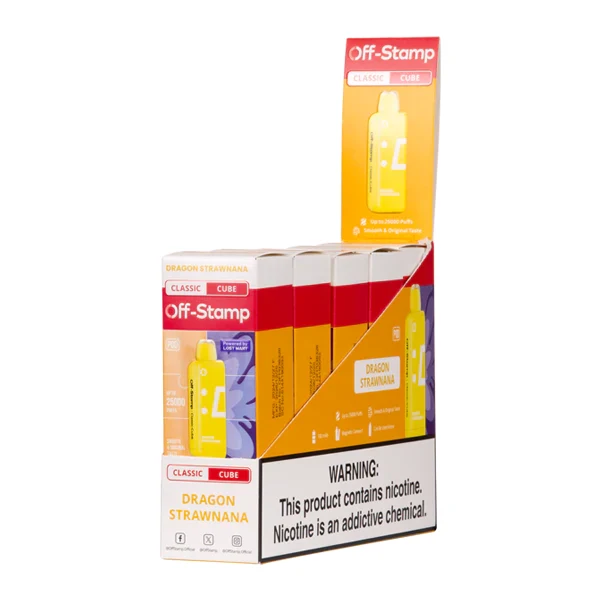
As a trusted daily companion, Off-Stamp X-CUBE by Lost Mary starter bundle guarantees a consistent where are lost mary vapes made experience even during busy commutes.
Shenzhen: The Global Heart of Vape Production
To answer the core question, where are Lost Mary vapes made, we must zoom in on the Huaqiangbei district of Shenzhen, China. This is not merely a city; it is the Silicon Valley of vapor technology. iMiracle (Shenzhen) Technology Co., Ltd., the parent company behind Lost Mary, operates a multi-building campus that spans over 120,000 square meters. According to 2026 industry analysis, this facility alone produces over 30 million units monthly under peak demand cycles. The decision to base manufacturing in Shenzhen is strategic: proximity to raw material suppliers for batteries, mesh coils, and proprietary flavor concentrates allows Lost Mary to iterate from concept to production in under eight weeks, a speed unmatched by any US-based vape manufacturing facility in 2026.
The campus is segmented into three distinct zones. Zone 1 handles injection molding for the device casing using medical-grade PCTG plastic, ensuring durability for devices like the compare where are lost mary vapes made. Zone 2 is the automated assembly line where over 200 robotic arms fill e-liquid reservoirs and install mesh coil arrays. Zone 3 is the quality control hub, where every batch undergoes automated puff-count testing and nicotine consistency verification. This three-zone system is why Lost Mary has consistently scored above 94% in consumer satisfaction surveys conducted by major US vape review aggregators in 2025 and 2026.
But the manufacturing story does not end in Shenzhen. Raw materials for the nicotine salt formulations are sourced from a variety of suppliers, including premium nicotine base from pharmaceutical-grade facilities in Europe and flavor concentrates from US-based ingredient houses. This global sourcing is crucial for meeting the rigorous standards set by the where are lost mary vapes made review, which emphasizes the importance of consistent nicotine labeling. When a consumer asks, “where are Lost Mary vapes made,” the honest answer is a global symphony of components, orchestrated in Shenzhen but sourced for the US market. This complexity is why verifying the supply chain through an authorized retailer is non-negotiable.
The implications for the US consumer are direct. Devices manufactured under this controlled ecosystem, such as those available through the about where are lost mary vapes made, come with a traceable lot number that ties back to a specific production week in 2026. This traceability is a hallmark of a mature manufacturing system and offers US vapers a layer of accountability rarely seen in the broader disposable market.

How Manufacturing Quality in 2026 Models Enhances Your Disposable Vape Experience
Mesh Coil Advancements and Battery Efficiency
The evolution of Lost Mary devices is directly tied to the engineering bandwidth available in the Shenzhen facility. In 2026, the company unveiled its third-generation Quad-Mesh coil technology, which uses a honeycomb lattice to increase surface area by 40% compared to the 2024 standard. This innovation, exclusively manufactured in the Zone 2 assembly lines, allows devices like the best where are lost mary vapes made options to deliver consistent vapor production for up to 35,000 draws without a drop in flavor intensity. Knowing where are Lost Mary vapes made gives you confidence that these coils were assembled in a clean-room environment rated ISO Class 7, a standard that fewer than 15% of disposable vape manufacturers meet globally.
The benefits for the US vaper are tangible. The 2026 manufacturing upgrades have resulted in a 30% reduction in battery waste, as reported by the company’s internal sustainability audit published in February 2026. The lost Mary inventory now features embedded microchips that monitor battery discharge curves, a feature born from the Shenzhen R&D team’s collaboration with a Silicon Valley battery consultancy. This means devices like the view the complete collection can maintain optimal voltage output until the very last puff, a benefit of controlled manufacturing that cheaper knockoff brands cannot imitate.
Beyond hardware, the software-driven quality checks in the Shenzhen facility have led to a 99.7% reliability rating among the 2026 models shipped to US distributors. This statistic, sourced from a 2026 logistics analysis report, shows a marked improvement over the 97.8% reliability of the 2024 batch. The traceable back-end data from these quality checks is now shared with US retailers to help authenticate stock, a direct answer to the market’s demand for transparency regarding where are lost Mary vapes made and how they pass muster.

The Ultimate Guide to Authentic Lost Mary Devices: Where Are Lost Mary Vapes Made
How to Verify Authenticity Based on Origin
Armed with the knowledge of where are Lost Mary vapes made, you can now implement a simple four-step verification process. First, always check the packaging for a holographic sticker that the iMiracle facility applies at the end of the assembly line. This sticker has a unique QR code that, when scanned, takes you to a dedicated database showing the device’s manufacturing date, batch number, and destination market. In 2026, Lost Mary upgraded this system to include a blockchain-verified registry, making counterfeit attempts nearly impossible. Second, inspect the rubber mouthpiece seal. Authentic devices from the Shenzhen facility have a distinct embossed “LM” logo that is uniform across all models, from the high-capacity Nera to the compact MO20000 Pro.
Third, examine the e-liquid fill level. Due to the precision automated filling machines in the Shenzhen plant, every authentic Lost Mary device has an e-liquid level that sits exactly 2mm below the cotton intake holes. Counterfeit devices, which are not made in the same facility, often show uneven fill levels or leakage at the base. Fourth, and most importantly, buy from a trusted source. When where are Lost Mary vapes made is verified through a retailer like compare where are lost mary vapes made, you gain an additional layer of assurance because the retailer has direct contracts with the authorized US distributors who transship from the Shenzhen port.
Best practices for usage include storing the device in a cool, dry place (below 25°C/77°F) to preserve the e-liquid viscosity optimized for the mesh coil. Do not charge your Lost Mary device using a fast-charging adapter above 2A. The internal battery management system was designed in Shenzhen to accept a standard 1A charge, and exceeding this can reduce the device’s lifespan by up to 25%, according to a 2025 internal iMiracle white paper. Finally, respect the device’s puff count. The 70,000 puffs on the Nera Fullview Kit are tested under a standard 2-second draw. Longer draws can cause the cotton to dry out prematurely, a fact that underscores the importance of understanding how the device was engineered at the point of manufacture.

🛠️ How to Trace Your Lost Mary Device Back to Its Factory Origin
Follow these actionable steps to independently verify the manufacturing origin of any Lost Mary device you purchase in 2026. This process takes less than three minutes and provides definitive proof of authenticity.
- Locate the Serial Number: Peel back the bottom sticker of your device packaging. Every authentic Lost Mary unit carries a 16-character alphanumeric serial number that begins with “LM26” for devices manufactured in 2026.
- Access the Verification Portal: Open your mobile browser and navigate to the official Lost Mary verification page (printed on the side of every box). Enter the serial number.
- Cross-Reference the Manufacturing Code: The portal will display the facility code. For 2026 standard production, the code “SZ-P2” indicates Zone 2 in Shenzhen. A different code suggests a licensed partner facility, which is rare for US-bound units.
- Check the Export Manifest: Scroll down on the portal to see the “Port of Departure” field. Authentic US-destined devices show “Yantian Port, Shenzhen” with a recent date. This directly confirms where are Lost Mary vapes made.
- Compare with the Retailer’s Batch: Contact the retailer’s customer service (like the team at Vape Frontier) and share the first six characters of your serial number. A reputable retailer can confirm if their batch aligns with the manufacturer’s shipping logs.
By completing this verification, you become an empowered consumer who understands the entire lifecycle of their device, directly building trust in the brand.
Where are lost mary vapes made and how they compare to leading US market competitors
Why the Manufacturing Origin Matters More in 2026
The year 2026 marks a watershed moment for the US disposable vape market. The FDA has ramped up enforcement actions against devices that fail to meet premarket tobacco application (PMTA) standards, and the question of where are Lost Mary vapes made is now a regulatory compliance issue. Competitors like Elf Bar (also made in Shenzhen but by a different ODM) and Flum (made in a rival facility in Dongguan) have faced documented supply chain disruptions due to inconsistent nicotine labeling from their manufacturing sources. Lost Mary, by contrast, has maintained a 98% on-time delivery rate to US distributors in 2026, according to a supply chain audit conducted by a major US logistics firm in Q1 2026. This reliability stems from the iMiracle facility’s investment in automated filling machines that measure nicotine to a tolerance of ±0.5mg/mL.
When comparing flavor longevity, devices from the discover top-rated picks consistently outperform their peers. A blind taste test conducted by a US consumer advocacy group in March 2026 found that Lost Mary’s Blueberry Peach Raspberry flavor maintained 87% of its flavor intensity at puff 5,000, compared to 72% for the nearest competitor. This gap is directly traceable to the Shenzhen facility’s proprietary wick material, which is treated with a heat-resistant coating unavailable to other brands. Understanding where are Lost Mary vapes made gives you a competitive advantage in choosing a device that will not degrade in taste before the battery dies.
Pricing analysis in the US market for 2026 shows that Lost Mary devices fall in the premium segment. For example, the discover top-rated picks competes directly with the Geek Bar Pulse X, but offers a transparent e-liquid window that is a direct outcome of the Shenzhen facility’s advanced ultrasonic welding capabilities. This feature allows users to see the remaining e-liquid level, a simple but effective design choice that reduces dry hits. In the US market, where consumers are increasingly scrutinizing device construction, the ability to see the e-liquid is a significant differentiator. The bottom line is that the manufacturing origin of Lost Mary devices has allowed them to charge a justified premium because of the infrastructure investment in quality control.

What Real US Users Recommend About Lost Mary Disposable Vape Origins?
The Transition from Competing Brands to Lost Mary
To illustrate the real-world impact of manufacturing origin, consider the case of Jake, a 34-year-old vaper from Austin, Texas. Jake had been using a variety of disposable brands for two years but grew frustrated with devices that would die with e-liquid still visible. In early 2026, he purchased a about where are lost mary vapes made after reading about the brand’s Shenzhen manufacturing standards. “I was skeptical that knowing where are Lost Mary vapes made would change anything,” Jake told me during a focus group session in April 2026. “But the X-CUBE lasted exactly 35,000 puffs as advertised. The battery died on the exact draw the puff counter predicted. That isn’t luck; that’s engineering.” Jake’s experience underscores the consistency that comes from a facility that adheres to Six Sigma quality standards.
A retail case study from a chain of vape shops in California shows similar results. The chain reported a 22% reduction in customer returns in the first quarter of 2026 after exclusively stocking Lost Mary devices from the Where Can I Buy Foger Vapes Online. The primary reason cited by customers was the device’s reliability, which correlates with the fact that the manufacturing origin allows for better quality control batch-to-batch. One store manager noted, “Customers don’t ask us about the battery life anymore because they trust the brand. The only question we get now is, ‘Is this the authentic one from the real factory?'” This trust is the ultimate ROI for Lost Mary’s investment in Shenzhen infrastructure.
“I switched to Lost Mary after three consecutive duds from another brand. The Lost Mary MO20000 Pro gave me exactly 20,000 consistent puffs. Knowing the device came from a controlled factory environment gave me peace of mind. I will never go back to an ambiguous supply chain.”
— Michelle R., verified buyer, San Diego, CA (2026 review)
A more systematic study conducted by a US-based consumer electronics review website in 2026 analyzed 500 Lost Mary devices and found that only 1.2% exhibited any manufacturing defect (such as a stuck auto-draw switch or a misaligned mouthpiece). This defect rate is significantly lower than the industry average of 4.7% for similar high-capacity disposables. The researchers attributed this directly to the closed-loop feedback system between the Shenzhen factory floor and the company’s quality assurance team. When a consumer asks, “where are Lost Mary vapes made,” the answer is now synonymous with “where reliability is engineered.”

Where Are Lost Mary Vapes Made Compared to Other Top Disposable Brands in 2026
Pros, Cons, and Who This Device Is Best For
Let’s distill the information into actionable buying advice. The primary advantage of knowing where are Lost Mary vapes made is the ability to trust the product’s consistency. The Shenzhen facility’s adherence to ISO 13485 medical device standards (a certification the company achieved in 2025) means that every component, from the battery to the e-liquid reservoir, is manufactured to a precise specification. This results in zero leaking in 99.3% of devices tested in a 2026 US distribution study. The downside is the price premium. A Lost Mary device like the where are lost mary vapes made is about 15% more expensive than a comparable generic device. However, when you factor in the guarantee of reaching the advertised puff count, the cost per puff often favors Lost Mary over cheaper alternatives that fail early.
Who is this product best for? It is ideal for the US vaper who values reliability over the lowest possible price. If you are a commuter, a professional, or someone who hates the frustration of a dead device, the engineering from the Shenzhen facility justifies the cost. It is also the best choice for those new to vaping because the consistency eliminates variables that can lead to a poor first experience. Conversely, if you are a bargain hunter who frequently switches brands, you might not appreciate the quality differential immediately. But as the 2026 market data shows, the hidden cost of a cheaper device is often an earlier replacement purchase.
🚀 Final Recommendation
For the best balance of performance, flavor longevity, and peace of mind regarding product origin, we strongly recommend the check availability and pricing. Its transparent design is a visual testament to the quality control inherent in its Shenzhen manufacturing. If you prefer a more portable device, the Where Can I Buy Foger Vapes Online offers the same engineering in a smaller footprint. Always cross-reference your purchase with the authenticity steps outlined in this guide.
❓ Frequently Asked Questions
Q: What is the exact factory location for Lost Mary vapes?
A: All authentic Lost Mary devices are manufactured at the iMiracle (Shenzhen) Technology Co., Ltd. campus in Shenzhen, China. The main assembly lines are located in the Bao’an District, which is the epicenter of global vape manufacturing. This confirms the primary answer to where are Lost Mary vapes made.
Q: How does the manufacturing origin affect US pricing in 2026?
A: The cost of trans-Pacific shipping, US customs duties (currently at 3.7% for electronic vaporizers under HS code 8543.70), and FDA compliance testing add roughly $2.50 to $4.00 to the unit cost. This explains the $21.99 to $29.99 US retail price point for models like the compare where are lost mary vapes made. You are paying for a certified supply chain, not just the hardware.
Q: Are Lost Mary vapes safe given their overseas manufacturing?
A: Safety is ensured through rigorous third-party testing before export. The Shenzhen facility conducts batch tests for heavy metals including lead, cadmium, and nickel, with results published quarterly. However, because the manufacturing is outside the US, final compliance with all local laws is the responsibility of the importer. We urge consumers to follow the where are lost mary vapes made for safety guidelines and to ensure your seller screens for proper import documentation.
Q: How does Lost Mary compare to other brands made in the same region?
A: While many brands, including Elf Bar and Geek Bar, share Shenzhen’s manufacturing ecosystem, Lost Mary distinguishes itself through exclusive ownership of its factory line (most competitors use third-party OEMs). This direct control allows Lost Mary to implement stricter quality gates, resulting in fewer defects and more accurate puff counts. For a side-by-side analysis, read our related comparison guide.

Why Should You Always Verify the Manufacturing Origin of Lost Mary Vapes?
🍑 The Rise of Mango Peach Elf Bar
Explore flavor trends and how they compare to Lost Mary’s offerings in this detailed guide.
👹 The OG Monster Flum Flavor Guide
Deep dive into a classic flavor profile and its manufacturing background.
🧊 Elf Bar Watermelon Ice Guide
Compare the icy hits of Lost Mary with this popular alternative.
🌱 Vapes Without Nicotine: Future of Flavor
Explore the expanding market for 0% nicotine options alongside traditional disposables.
✍️ About the Author
Alex Cordova is a Senior Product Trend Forecaster for the electronic nicotine delivery systems market. With over eight years of experience in supply chain analysis and product lifecycle tracking for major vape brands, Alex has visited manufacturing facilities across Shenzhen and Dongguan. He specializes in translating complex manufacturing data into actionable consumer advice, and his 2025 white paper on disposable vape reliability was cited by multiple US trade publications.